Watershed Moment

IMG_4965

Our 15′ Montauk, Boston Whaler, Finn anchored @ the mouth of the Narrow River JAL

IMGP0909

Hurricane Sandy ripped the roots from the ground and fed the trees to the Narrow River. JAL

Sheriff Brody hated the water. We never knew why then he took the job as Amity Island’s Sheriff, other than his view that “it’s only an island if you look at it from the water.” Oceans, like rivers, unite and divide the land and people. The two most important rivers in my life, one narrow, the other the mightiest, have many stories to tell, and some speak to my heart. The wisdom gleaned from river stories depends on the point of view that I take to make them meaningful.

The Narrow (aka, Pettaquamscutt) River is a seven-mile long tidal inlet created by a receding glacier 20,000 years ago and that dried out after a couple thousand years. The melting glacier raised the sea levels that in turn sullied the basin’s pristine lakes with brackish waters. The river began to pulsate to the rhythm of tides. This tiny river is fed and abused by its 14 square mile watershed – lands drenched by rain, sewage and springs that drain into the river. During times past, the Narragansett and Niantic Tribes heard and understood the Pettaquamscutt watershed’s voice. Watersheds are untrustworthy confidants – they leak secrets downstream about who you are and how well you care for the land and water. Water sustains all – water destroys as easily as it creates. When life as we know it changes suddenly – for better or for worse – it’s a watershed moment.
IMGP2837

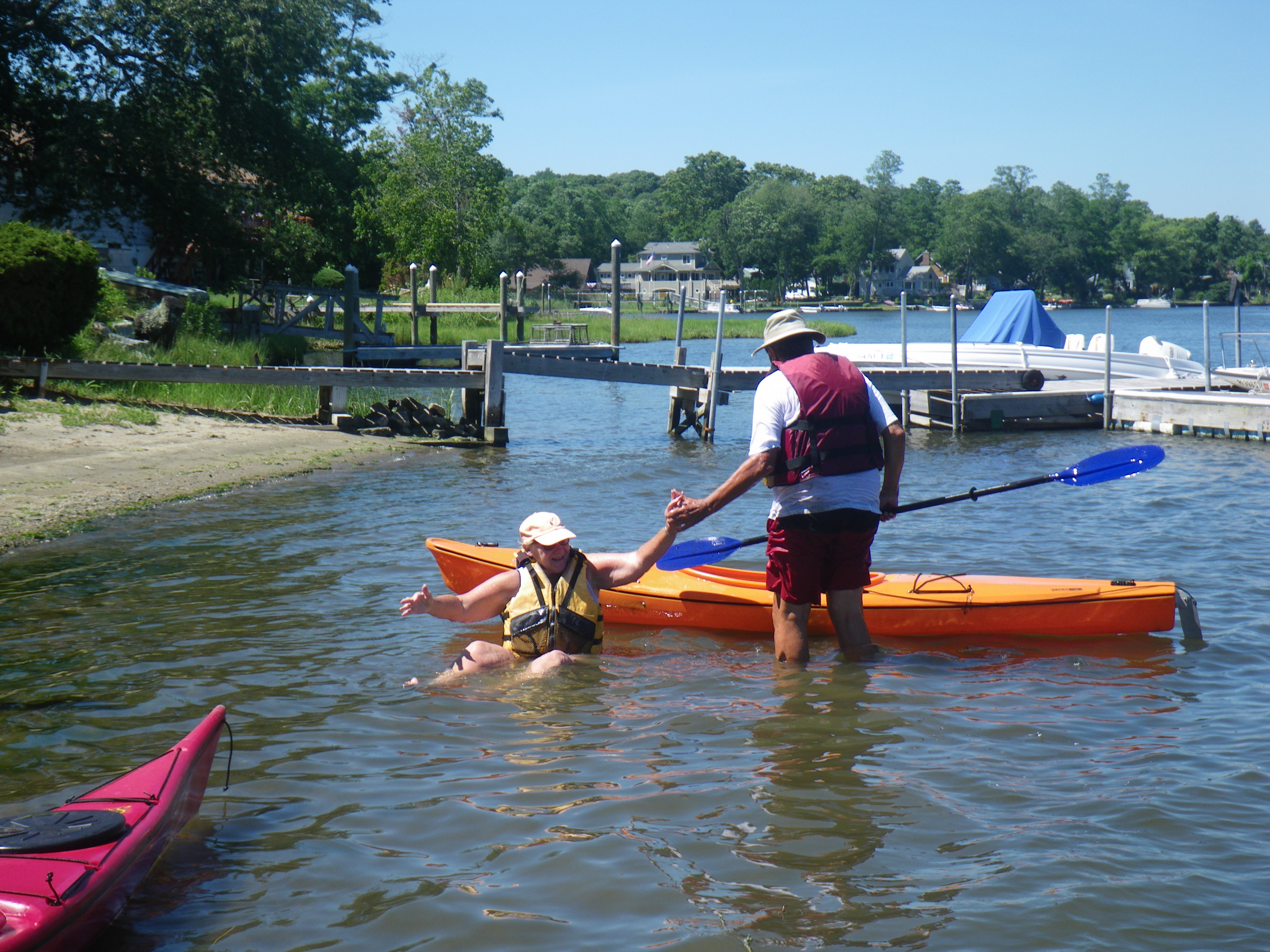
Deb & George shedding their kayaks. JAL

A watershed moment is a critical point that marks a division. It is triggered by an experience or crisis that profoundly alters the future. Just as heavy rains on California’s mountains later flood the valleys below or bury homes in mudslides, watershed moments are epochal. Some life changes are created by a single choice or mistake so powerful that one’s course is diverted from hope to despair. Our sights are abruptly severed from envisioning what might be to a full frontal view of great loss.

Voltaire observed that it is the privilege of a real genius, especially one who opens a new path, to make mistakes with absolute freedom from facing consequences. There are few Einsteins aboard most boats. The things we do and say aren’t always that smart, and like the steady trickle of a tiny stream, little things can create great changes over time that rival the work of cataclysmic deluges.

IMGP0946

My sunfish, Solstice – oblivious to watershed moments ahead. JAL

We are watersheds fed by pure springs and rain, while also somewhat tainted by our own piss and vinegar that drains into relationships flowing through the lives of those we love. Regardless of our age, income, gender and education, chances are there is at least one watershed moment ahead. This moment will divide us from some things and unite us with others – like a river does to land. Somewhere down the channel is a milestone that is going to have profound effects later on. It might be a situation where doing the right thing is the most painful moment of your life.

We tend to recognize watershed moments after we’ve sailed pass them rather when they lie ahead. Find a quiet space and listen to the memories of stories whispered by ripples and waves. If you listen long enough the stories will merge into one great understanding. If you look hard enough at a river you’ll see things you never knew existed and possibilities never imagined. Be aware of and protect your own watershed and river. It’s an optimal way to invest in a healthy, vibrant life.

photo

Kathy’s day lilies survived Hurricane Sandy and bloom every summer. JAL

Frozen Balls on a Brass Monkey

Unknown-1

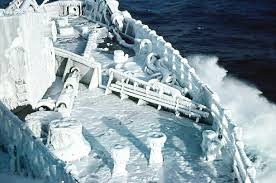
Photo courtesy NOAA

Friends in Thunder Bay report that it’s 40ºF below. It’s not a good day to stick one’s tongue on a flagpole. It is worse to be at sea during days like today. Sub-zero temperatures can freeze the balls off a brass monkey! The cold doesn’t hurt the monkey but wrecks havoc on a frigate’s deck and crew who get in the way of random balls.  According to maritime lore, tall ships used to carry a hundred or more cannons. The cannon balls took up a lot of space in cramped quarters. Ship shape meant stacking the heavy lead cannonballs like pyramids on brass platforms called monkeys. When temperatures grew very cold, the balls would shrink (“like a frightened turtle”) and the pyramid fell to disarray. The cannonballs tumbled off the brass monkey and rolled willy nilly around the deck. Sailor do not play dodge ball with cannon balls. Unknown-2

As Mercury falls it is really hard leave the warmth of a cozy bed and move about the day. We are prisoners of science. Heat moves from warm things to cold things. Body heat dissipates as soon as our feet hit the chilly floor. Take away heat and things move slower. Remove heat and things that are fluid go solid. That’s probably why things said in the heat of a moment can leave us cold with a rock-hard resolve not to make the first move towards an apology. Our emotions seize up like old engines on frosty mornings.

images-1

USS Glacier (1956) Courtesy rossea.inf

Sailing in frigid weather is nastier than the mammary glands of Holden Caulfield’s witch. Brass monkeys makes me think about the Coast Guard crews patrolling Boston Harbor on this frigid day. Though sheathed in neoprene and thick protective jackets their service is another painful repercussion from a loose canon that rained hellfire on Marathon runners.

Tis the season to chill – but we simply aren’t built to hibernate. Go ahead, spend the evening sitting by a warm hearth with a hot toddy. You might even lose weight by just warming up since adding heat to a cold thing makes its molecules move faster. Program that into your Fitbit!

IMG_2797

Sioux Harbor

Flotsam, Jetsam, and Lagan

IMGP2044

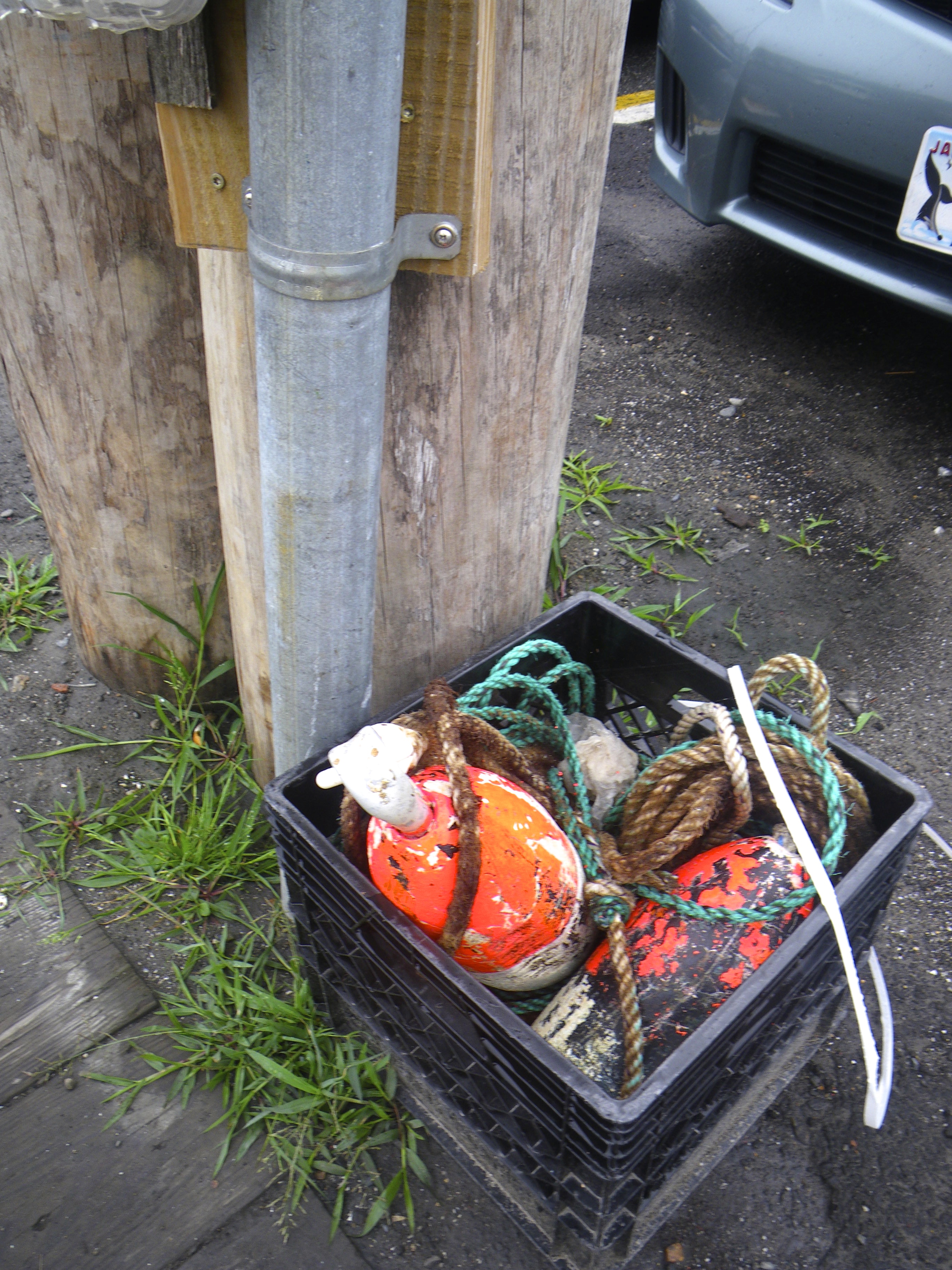
Box o’ Flotsam. Camden, Maine Photo by JAL

IMG_1199

Knot a good way to start the year. Photo by JAL

Americans celebrate New Years Day with a variety of customs. Some young children are perplexed that their parents who ushered in the New Year with frothy toasts and fireworks a scant half dozen hours earlier spend the day tired, cranky and apathetic about the potential for a wonder-filled year. Some observe New Years Day as a time set aside for televised football marathons and quiet reflection. The most common secular tradition in the western world is to begin the year with a resolution – a promise to do better and become a better person. It’s a banner moment for fitness centers, weight loss programs, AA, educational programs, shrinks, and travel sites.

Unknown-1

Photo Robert De Jong, Flotsam on a Beach at Terschelling, Wadden Sea. Permission granted for use via Wikimedia Commons.

New Years Day is when many long to eliminate flotsam and jetsam from their lives. These are parts of the shipwrecks we captain, crew or come upon during any given year. Flotsam is floating wreckage – stuff aboard during a crisis that was washed into the sea and goes adrift. It can do great harm to other boats that accidently ram it. Flotsam is often toxic and does serious damage to the water and shore. It’s nasty stuff to encounter.

Jetsam is a form of prayer in action. Sailors shuck it. Beachcombers seek it. Jetsam consists of parts of a ship or its cargo that we purposely throw overboard (regardless of its monetary or sentimental value) in a last ditch attempt to lighten the load and Save Our Ship. Eventually it’s washed ashore and depending on what it is becomes either a hazard or a treasure.

underwaterbow.thumbnail

Courtesy RMS Titanic

Jetsam and flotsam are surface things. Not everything flung overboard floats. Some of the lost goods and boat parts sink to the bottom. Among the wreckage is Lagan. These are things once lost that can be recovered and saved. A certain degree of foresight and knowing where you are during the crisis are key to savaging parts of the wreck. Whether it’s marked by a GPS positioning from a May Day distress call or by a buoy what’s important is that Lagan can come up from the deep to the surface and be reclaimed. Lagan keeps its worth and meaning.

New Years Day is a good time to express gratitude for surviving the past year’s storms. It is a day when hope springs for prosperity, health, and serenity across the days ahead. Springs support life. We know them by what we see not from where they came. Springs are bodies of fresh water come from deep underground, far below the surface. Springs and lagans are not tainted by the flotsam and jetsam of old wrecks. Springs are clean. Fresh water is essential for life. Lagans can be re-used in good ways. Lagans remind us that all is not always lost – sometimes it just seems that way from the surface. Seize this day and greet 2015 with a fresh water toast– a token to the belief that hope for safe passage and salvaging lagans springs eternal.

MOs[romg1-2

Round Spring, Missouri Ozarks Riverways near Eminence. Photo by JAL

Run Aground

Unknown

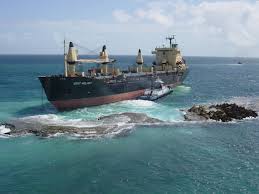
M/V Kent Reliant grounded on a reef. Photo courtesy of response.restoration.noaa.gov. File from Public Domain.

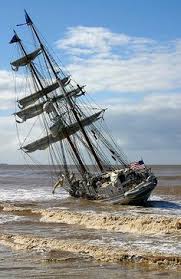
A third of all commercial ship accidents are caused by running aground. That means the vessels connected to the bottom of shallow water. They get stuck. That’s when bad goes to worse – changing tides and currents batter the boat. If there was damage done to the hull by whatever was on the bottom – while the boat can’t really sink, after all it is on the bottom – it is in danger of becoming ship wrecked. Running aground is an accident – whether it was caused by tide, poor visibility, or waves, at a given moment the water isn’t deep enough to float the boat. The ship and crew are in trouble. It’s rarely an option to get out and push the boat into deeper water or swim to shore. Without help or divine providence the potential for loss is great.

61Pd9+ULRBL

Photo courtesy Amazon.com

images-3

Photo courtesy of Wikipedia

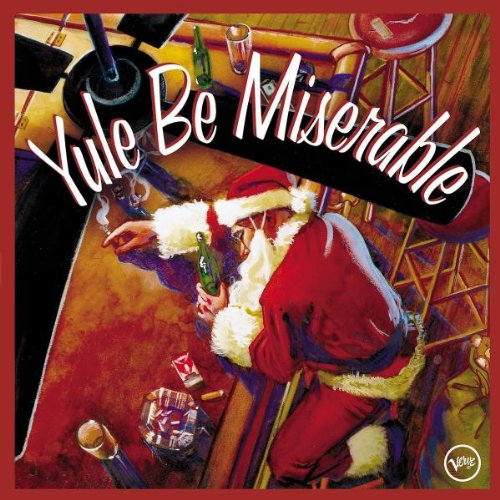
Most recreational boats that run aground cause little or no damage to the crew. The number one killer of boaters is excessive alcohol use. Booze trumps bad weather, hazardous waters, and not paying attention to where the boat is or who’s on board. Drinking at the helm of a boat is not an accident – but what happens next is the result of purposeful behavior – and is too often a preventable tragedy.

Festivities during winter holidays have a perilous downside with the power to sink relationships and drown feelings of comfort and joy. The stream of a tear contains the same salt that makes up vast seas. The last stretch of the calendar is the most hazardous of shipping and sipping lanes. If you’ve hit bottom you can’t sink further – you must get yourself up to the surface. Whether you are sailing solo or huddled in the grand salon of a cruise ship – its safer to act as if the helm is in your hands. Don’t just stand and stare at the water expecting it to take you someplace. It will not reward your anxiety nor gift you with contentment. Don’t expect the sea to rest because you are restless. Exercise moderation and you will become strong enough to navigate though these final days of the year. Pay attention to the currents, sky and shoreline so that you don’t get caught in the shallows.

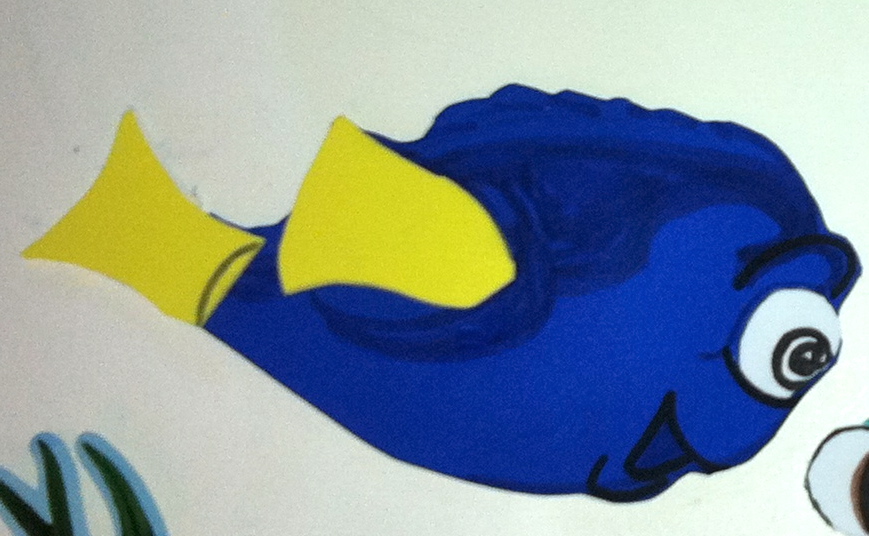
UnknownThe difference between a holiday ordeal and a holiday adventure is attitude. Just as a compass needle seeks the north – position your feelings to find and move toward good tidings. Be and behave. To seek is not the same as to find – but it’s a start – as bright blue fish Dory said, “When life gets you down do you wanna know what you’ve gotta do?”

JUST KEEP SWIMMING

BlueFish

A bright blue fish. Foam construction paper fish made with Elle when she was two by JAL.

Quotation from the Movie, Finding Nemo